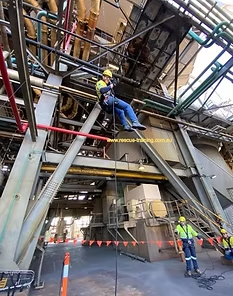
Emergency situations at heights—whether in construction, industrial sites, or natural environments—pose unique challenges for responders. Rescuing individuals from elevated positions requires a combination of specialized tools, precise techniques, and rigorous training. Prioritizing safety for both the victim and the responder is essential to prevent injuries and ensure successful operations.
Understanding the Hazards
Working at heights introduces a range of risks, including falls, unstable surfaces, structural failures, and environmental hazards like wind or rain. In emergency scenarios, these risks are compounded by stress, urgency, and sometimes the limited mobility of the victim. Recognizing these hazards is the first step in planning a safe and effective rescue operation. RIIWHS204E working at heights perth A thorough understanding of the environment, equipment limitations, and potential hazards enables responders to act decisively without compromising safety.
Essential Tools for Height Rescues
Specialized equipment is crucial for safe emergency response at heights. Key tools include:
- Harnesses and Lanyards: These provide secure attachment points and prevent falls during rescue operations.
- Ropes and Pulleys: Rope systems allow responders to safely ascend or lower victims, offering controlled movement.
- Rescue Stretchers: Designed for vertical extraction, stretchers ensure that injured individuals are transported safely.
- Anchorage Systems: Secure anchor points are essential for stabilizing ropes, harnesses, and other equipment during high-risk rescues.
- Helmets and PPE: Protective gear shields rescuers from falling debris and environmental hazards, enhancing safety during operations.
Regular inspection, maintenance, and correct usage of all equipment are non-negotiable. Even the most advanced tools are ineffective if improperly handled or damaged.
Proven Techniques for Effective Rescue
Rescuers must be trained in a range of techniques to safely operate above ground. Rappelling, controlled lowering, and mechanical advantage systems allow for precise movement during rescue. Victim stabilization and proper handling prevent further injury. In high-risk scenarios, using teamwork to distribute load and maintain tension on ropes enhances safety and efficiency. Pre-planned rescue procedures and rehearsed sequences minimize reaction time and reduce errors in emergencies.
Training and Preparedness
Training is the cornerstone of successful height emergency response. Responders must develop both technical skills and situational awareness. Programs should cover rope handling, anchoring, victim assessment, first aid, and stress management. Regular drills and simulations build muscle memory, reinforce safety protocols, and improve decision-making under pressure. Teams trained to operate cohesively can navigate complex environments, reducing the likelihood of secondary accidents.
Communication and Coordination
Clear communication is vital during height emergencies. Teams should use standardized hand signals, radios, or visual cues to coordinate movements. Continuous communication with the victim, when possible, also helps to calm them and ensures compliance during extraction. Effective coordination between rescuers and support personnel, such as medical teams, enhances overall safety and efficiency.
Conclusion
Emergency response at heights demands a combination of specialized tools, proven techniques, and extensive training. By equipping responders with the right equipment, refining technical skills, and fostering a culture of preparedness and communication, organizations can execute high-risk rescues safely and efficiently. Prioritizing these elements not only protects rescuers but also increases the chances of a successful outcome for those in peril.